
Allergies at Catered Events: A Host's Safety Checklist
By La Rio's · Last updated 2026-08-14 · 7 min read
Catering guides based on our current menus, delivery policies and documented events.
Quick answer: Managing allergies at catered events starts before the food arrives. Hosts should collect allergy information early, pass it to the caterer in writing, confirm what can and cannot be accommodated, and plan the buffet or meal handout so guests are not left guessing. A simple checklist usually prevents more problems than last-minute verbal notes on event day.
The safest events are the ones where the host, caterer, and guests all understand the plan before service begins.
Host allergy checklist
- Ask for allergy information with the RSVP or guest list.
- Separate allergies from preferences. They are not the same thing.
- Send the allergy list to the caterer in writing.
- Confirm what menu items are suitable and what cross-contact limits exist.
- Request clear labels for allergy-sensitive items.
- Plan separate utensils where needed.
- Tell guests to identify themselves before eating if they have a serious allergy.
That basic process is more useful than assuming labels alone will solve the issue.
What hosts should never assume
Hosts should not assume that “vegetarian,” “vegan,” or “gluten-free-friendly” automatically means safe for every allergy-related situation. They also should not assume a buffet setup prevents cross-contact. If an allergy is serious, the host needs the caterer to confirm handling limits clearly before the event.
Best questions to ask the caterer
- Which menu items are suitable for the listed allergies?
- Which items are prepared separately and which share handling space?
- Can the allergy-sensitive portions be labeled individually?
- Should certain guests receive packaged meals instead of buffet service?
- What is the best serving setup to reduce cross-contact at the event?
Those questions give the host a real operating plan instead of a vague comfort answer.
When packaged meals are safer than a buffet
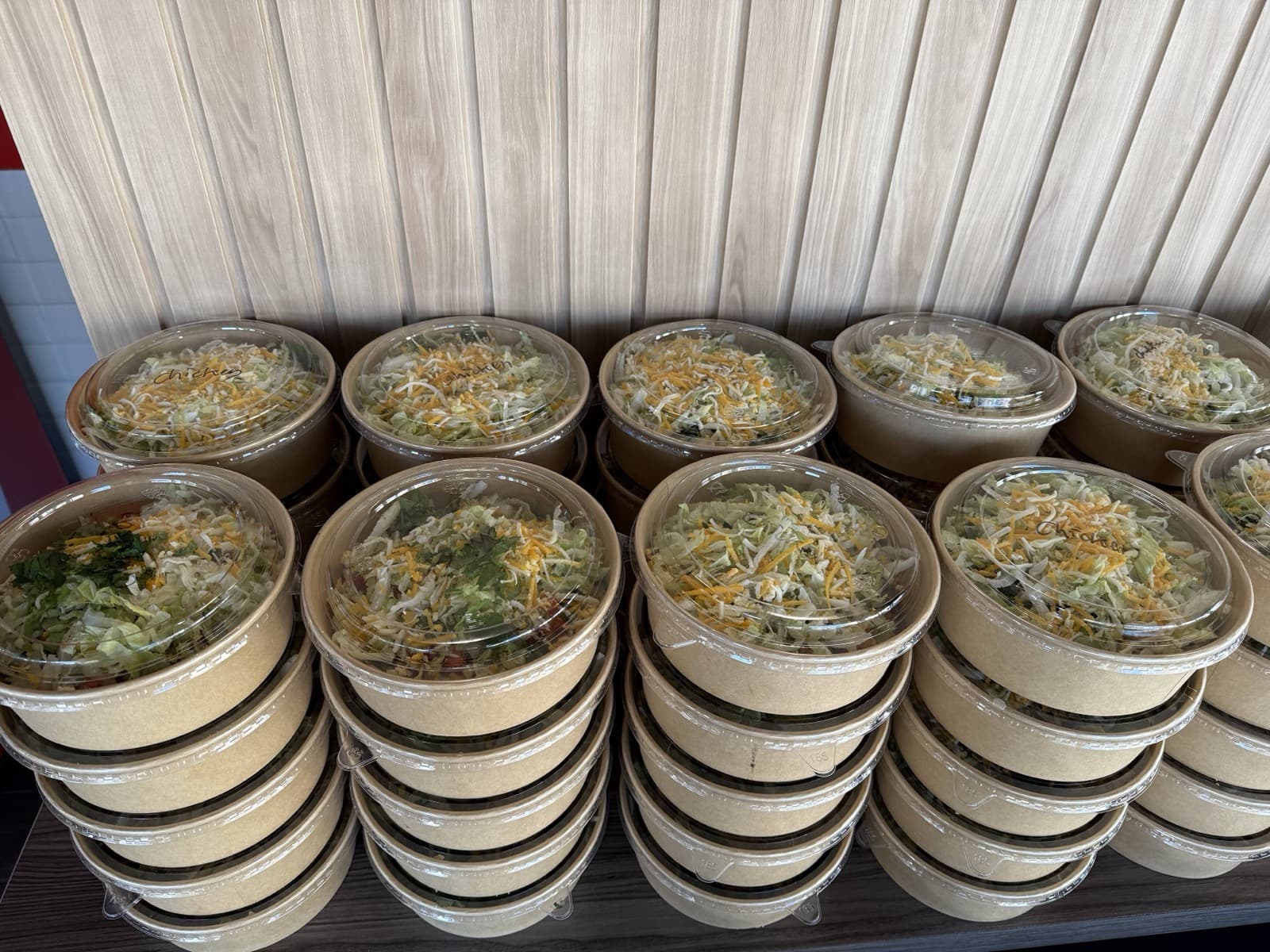
If one or more guests have specific allergy needs, individually packaged meals may be safer and clearer than a buffet line. Buffets are strong for flexibility, but they increase the chances of guests using the wrong utensil or moving toppings between trays. A labeled packaged meal can be the better call for the most sensitive eaters even when the main group is served buffet-style.
How to set up the buffet more safely
- Place labels in front of every tray
- Use separate utensils for each item
- Keep sauces and toppings clearly separated
- Put allergy-sensitive trays in a protected part of the line if possible
- Ask one point person to monitor the setup during service
These small setup choices improve clarity and reduce guest hesitation.
Guest communication matters too
Hosts should tell guests with serious allergies not to make assumptions from a menu name alone. The safest process is for those guests to identify themselves to the host or catering point person before serving. That keeps the communication direct and avoids a risky guess.
Final rule of thumb
If the allergy information is unclear, the best move is to slow down and clarify it before finalizing the menu. A cleaner, simpler plan is usually safer than trying to over-customize a buffet without enough detail.
For hosts, the safest way to manage allergies at catered events is to treat allergy planning as part of the event logistics, not as a side note added after the food order is already built.