
Food Truck vs. Buffet vs. Build-Your-Own Bar: Choosing the Right Catering Style for Toronto Events
By La Rio's · Last updated 2026-08-14 · 8 min read
Catering guides based on our current menus, delivery policies and documented events.
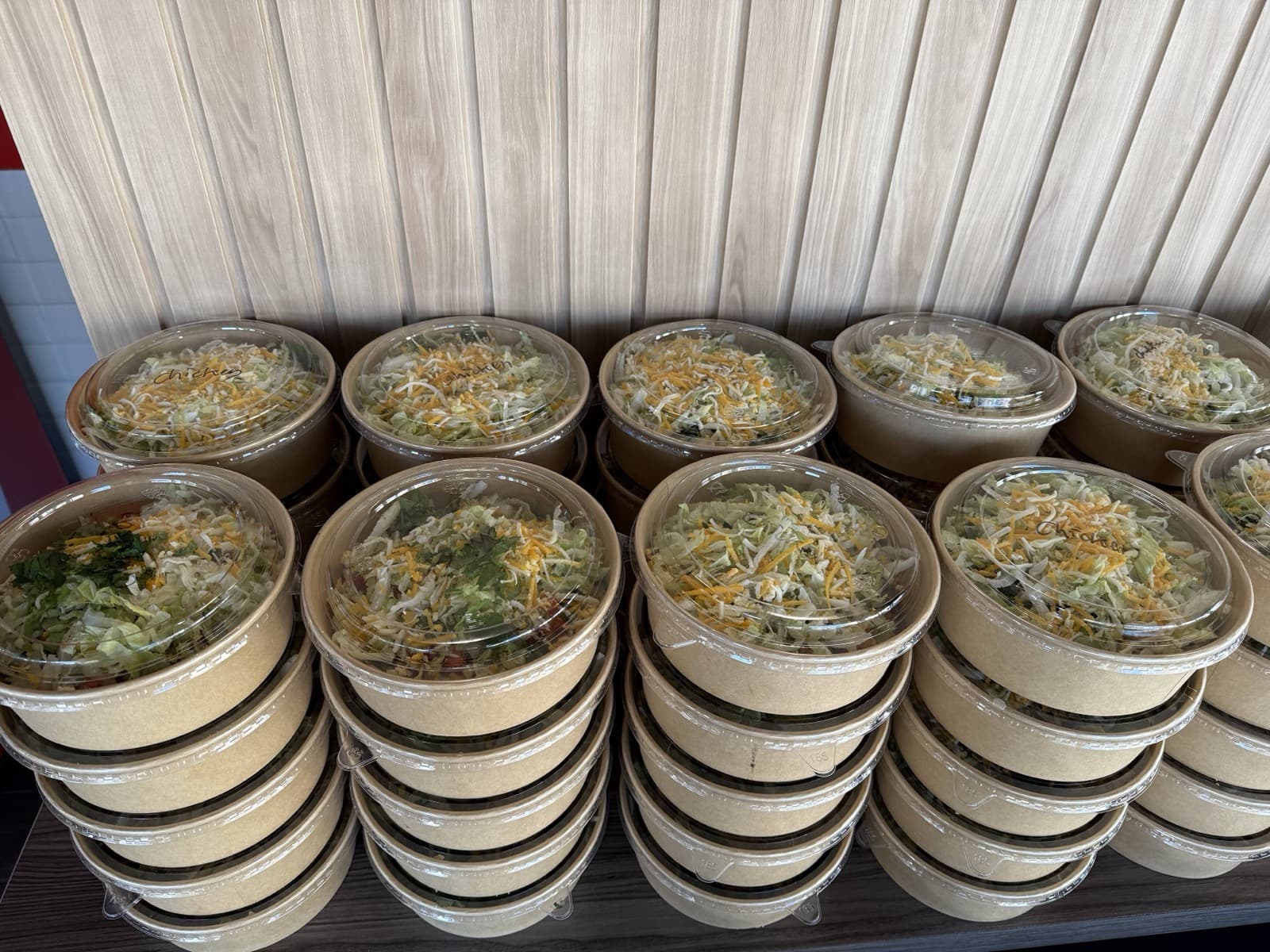
Quick answer: food truck vs buffet vs build-your-own bar is really a question about service speed, venue fit, and guest experience. Food trucks can feel memorable but depend heavily on parking access and serving time. Traditional buffets are dependable for larger groups. Build-your-own bars often offer the best balance for Toronto events because they feel interactive like a food truck while serving more people with fewer venue restrictions.
The right choice depends on where the event is happening, how fast guests need to eat, and whether dietary flexibility matters more than novelty.
Fast comparison table
| Style | Best for | Main strength | Main limitation |
|---|---|---|---|
| Food truck | Outdoor events and novelty-driven gatherings | Memorable experience | Parking, weather, and line speed |
| Buffet | Large indoor or mixed events | Efficient scaling | Can feel less interactive |
| Build-your-own bar | Corporate, weddings, parties, community events | Choice plus efficient service | Needs a clean buffet table setup |
When a food truck is the right choice
Food trucks work best when the event is outdoors, the venue allows truck access, and the host wants the food service itself to be part of the atmosphere. They can be a strong match for festivals, outdoor activations, and smaller novelty-focused gatherings.
They are usually less ideal when:
- Guests all need to eat quickly
- The building has limited parking or loading space
- Weather is unpredictable
- The event is indoors or spread across multiple floors
When a buffet is the better choice
Buffets are strong when the host wants predictable service for larger groups. They are easier to scale than a truck and usually simpler to fit into office buildings, banquet rooms, schools, and private venues. A standard buffet is often the safest choice when speed and reliability matter most.
What makes a build-your-own bar different?
A build-your-own bar keeps the buffet efficiency but adds more guest choice and more event energy. Guests can build tacos or bowls around their own appetite and dietary needs. That makes the format especially useful for mixed-age parties, office teams, weddings, and community events where one fixed plate would be too limiting.
Best choice by event type
- Corporate team event: Build-your-own bar or buffet
- Wedding: Build-your-own bar or buffet
- Outdoor community activation: Food truck if access and timing work
- School or non-profit event: Buffet or packaged service
- Backyard party: Build-your-own bar
For many Toronto events, the deciding factor is not style alone. It is whether the venue logistics support the style cleanly.
How budget usually fits in
Food trucks can look simple at first glance, but access, service time, and operational constraints can change the real event cost quickly. Buffets and build-your-own bars are often easier to compare because the menu is priced by headcount and the service model is more straightforward.
That is why many hosts use a buffet-style quote as the planning baseline even if they are still considering a truck concept.
Dietary flexibility comparison
Build-your-own bars usually give guests the most control. Buffets can also perform well when labeled clearly. Food trucks may be more limited if the service line and cooking rhythm are built around a narrower menu. If the guest list includes halal, vegan, vegetarian, or allergy-sensitive diners, flexibility should be part of the decision.
Conclusion
If the event needs novelty first and the venue supports it, a food truck can be a smart fit. If the event needs reliability and scale, a buffet often wins. If you want flexibility, broad guest appeal, and a more social service style without truck logistics, a build-your-own bar is often the strongest middle ground.
For hosts comparing food truck vs buffet vs build-your-own bar, the best answer usually comes from service speed, venue constraints, and dietary coverage rather than trend appeal alone.