
Behind the Scenes: How La Rio's Sources Halal Proteins and Fresh Ingredients
By La Rio's · Last updated 2026-08-14 · 7 min read
Catering guides based on our current menus, delivery policies and documented events.
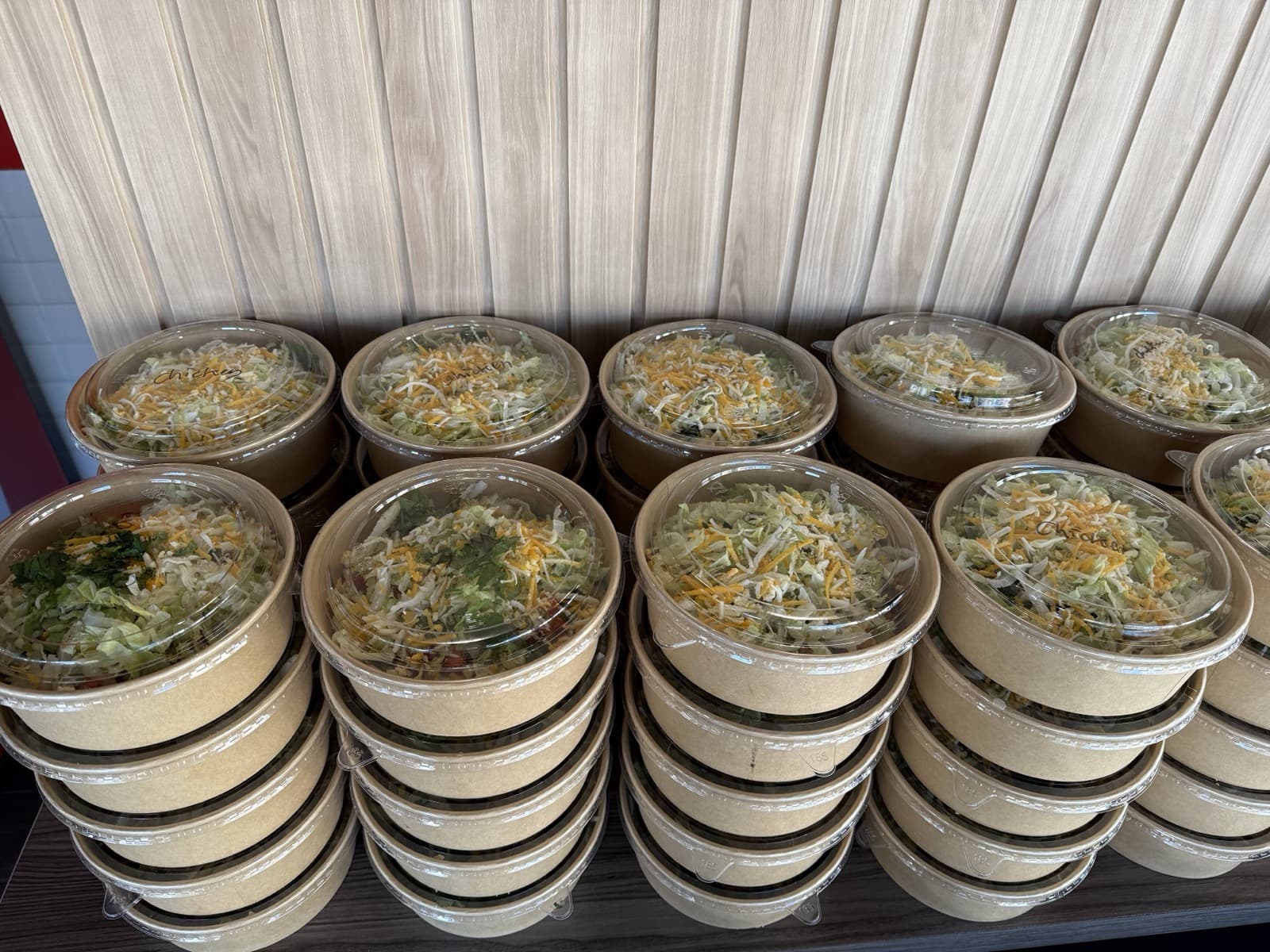
Quick answer: The story behind our halal proteins and fresh ingredients starts with menu design that works for real Toronto events. Our core catering formats are built around halal chicken and halal beef options, plus vegan choices like tofu and bean-and-corn, then supported by fresh toppings, sauces, rice, beans, and garnish items that make the meal feel complete for mixed groups.
That matters because most catering orders are not serving one type of guest anymore. They are serving teams, families, wedding parties, and community groups with different needs in the same order.
Why halal sourcing matters in catering
For many Toronto offices, schools, and private events, halal coverage is not an optional add-on. It is a core requirement. Building the menu around halal-friendly proteins makes it easier for hosts to place one order for the group instead of splitting meals across multiple vendors.
- It simplifies ordering.
- It improves guest confidence.
- It makes mixed dietary planning easier.
- It creates more flexibility across buffet and packaged formats.
What “fresh ingredients” means in practice
Fresh ingredients are not only about produce quality. In catering, freshness also means how the meal is structured so it still tastes bright and balanced when it arrives for service. That is why the menu relies on fresh toppings, sauces, lime, rice and beans, and protein choices that hold up well for buffets and group meals.
In practical terms, hosts usually care about three things:
- Whether the food tastes vibrant at service time
- Whether the menu can cover mixed diets cleanly
- Whether the buffet still looks appealing when guests arrive
How the menu is built for mixed groups
Most events are mixed by default. One department may need halal coverage, another guest may be vegan, and another may want a more classic taco or bowl build. That is why the menu format matters as much as the ingredient list. Build-your-own bars and packaged meals both work well because they let the same order support different needs without becoming confusing.
Where this shows up most clearly
- Corporate lunches: one order can cover the whole team
- Weddings and parties: guests can build around preference and appetite
- School and community events: clearer dietary handling makes service easier
- Packaged meal events: labels help distribute meals quickly
What hosts should still confirm
Even with a halal-friendly menu structure, hosts should still send the exact dietary counts and any allergy notes before the quote is finalized. That helps the team recommend the right format and prevents avoidable revisions late in the process.
Why this matters for event planning
Ingredient sourcing is only useful if it leads to a simpler event experience. For catering buyers, the real value is being able to order confidently, serve the group smoothly, and avoid building separate meal paths for every guest type.
Conclusion
The goal is not just to list ingredients. It is to create a menu system that works well for modern Toronto events where dietary needs are mixed and expectations are high. Halal proteins, fresh toppings, and flexible menu formats all matter because they make one order work for more people.
That is why our approach to halal proteins and fresh ingredients is tied directly to service clarity, guest confidence, and practical event planning rather than marketing language alone.