
The Vegan & Vegetarian Taco Bar Guide: Building a Plant-Based Fiesta for Any Crowd
By La Rio's · Last updated 2026-08-14 · 8 min read
Catering guides based on our current menus, delivery policies and documented events.
Planning an order in Toronto? Compare La Rio’s vegan catering packages and vegetarian catering packages for current formats and dietary details. The ideas below are planning suggestions; confirm the available fillings, sauces, ingredients and handling with the catering team.
Quick answer: A plant-based taco bar needs a menu that is easy to understand, easy to serve, and satisfying for both plant-based guests and mixed groups. Start with tortillas, seasoned tofu and suitable fresh toppings. Request optional sides separately and confirm the sauce recipes in your quote.
When the structure is right, a plant-based taco bar feels generous, flexible, and easier for large groups than trying to manage separate vegan and vegetarian meals one by one.
What should a plant-based taco bar include?
The best taco bar is built in layers. Guests should be able to see a complete meal path from start to finish.
- Base: soft tortillas for tacos; confirm rice and beans separately if you want them alongside the taco bar
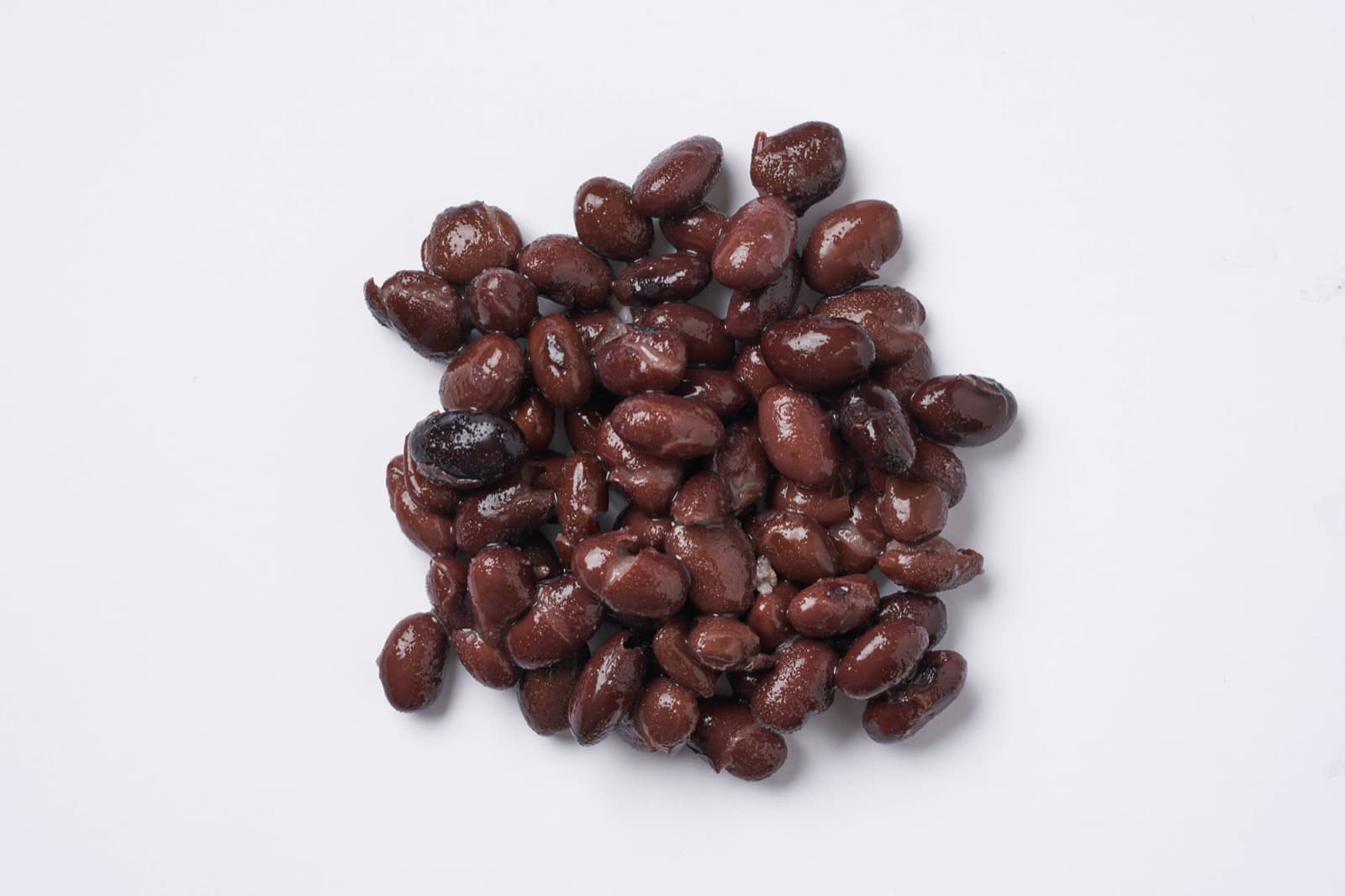
- Protein choices: seasoned tofu for tacos; bean-and-corn is listed for bowl and mixed bars and needs confirmation for a taco format
- Fresh toppings: lettuce, pico de gallo, pickled onions, cilantro, corn, and lime
- Optional extras: request guacamole separately; keep any dairy toppings separate from vegan meals
- Sauces: choose from the suitable recipes confirmed in your quote; not all general-menu sauces are vegan
That structure works for offices, family parties, community events, and school functions because it feels familiar even to guests who are not fully plant-based.
Vegetarian vs vegan: what needs to stay separate?
The biggest planning issue is not flavor. It is clarity. If some guests are vegetarian and some are vegan, separate the dairy items from the core buffet so the main lane stays usable for everyone.
- Keep cheese and sour cream off to the side.
- Use separate utensils for vegan proteins and toppings.
- Label sauces if any contain dairy.
- Mark corn and flour tortilla options clearly if guests are also managing gluten concerns.
Small labeling decisions prevent confusion and improve guest confidence immediately.
Best menu builds for different crowd sizes
| Crowd size | Best structure | Why it works |
|---|---|---|
| 10 to 25 guests | One vegan protein plus a strong toppings table | Simple, affordable, low waste |
| 25 to 75 guests | Tofu tacos or a bowl bar with two confirmed plant-based proteins | Better variety and broader appeal |
| 75+ guests | Confirmed filling quantities, separate utensils and a wider buffet line | Faster service and less congestion |
How to keep the taco bar filling
Plant-based catering works best when it feels like a real meal, not a compromise. That usually means making sure the proteins and base ingredients are hearty enough and not relying only on lettuce, salsa, and tortillas.
A satisfying build usually includes:
- Optional rice and beans, if confirmed alongside the tacos
- One warm protein like seasoned tofu
- A second filling only when confirmed for the format; bean-and-corn is listed for bowl and mixed bars
- A rich add-on such as guacamole
- Three soft tortillas per guest in the standard format; request extra portions separately
If the event is dinner or the guest list includes larger appetites, build extra room into the quote instead of assuming lunch-level portions.
What hosts should ask before booking
- How many guests are fully vegan?
- How many are vegetarian but eat dairy?
- Are there soy, dairy, nut, or gluten concerns?
- Will the meal be eaten in one rush or over a longer window?
- Does the venue allow a full buffet setup?
Those five questions usually shape the right taco bar faster than debating dozens of topping options.
When a packaged option is better
If the group is eating in waves, if labels matter more than presentation, or if the room is too tight for a buffet line, individually packaged bowls may be a better plant-based option than a taco bar. A taco bar is strongest when people can gather and build their meal live from one shared setup.
Quick planning example
For a 40-person office lunch, start with the tofu taco format: three soft tortillas per guest, fresh topping choices and suitable sauces confirmed in the quote. Confirm the filling allocation for the standard two-protein format. If you want rice, beans, bean-and-corn or guacamole alongside the tacos, ask the team to confirm availability, portions and any extra price. These are not automatic taco-package inclusions. Give vegetarian and vegan counts separately, and confirm any dairy toppings and separate serving arrangements.
Conclusion
The simplest approach wins: give guests a complete meal path, label the buffet clearly, and separate optional dairy so the main line stays usable for everyone. A well-built plant-based taco bar should feel abundant, not restrictive.
For mixed events, good planning covers service as well as the menu, because clear structure and labeling are what make the buffet work for the whole crowd.